
Click the session title below to jump to the workshop overview and bio or scroll through all.
Keynote
What’s Next for AI in Education? Where Have We Come from and Where are We Going?
Workshops
AI and Assessment
Prompt Engineering for Literacy: Bringing Books to Life with AI
The Utility of Generative AI for Research-Informed Practice
Teaching in the Age of Algorithms- What is the Role of a Teacher in an AI Enhanced Profession?
The Elastic Classroom- AI and Neurodivergence
Using AI to Code School Software
AI Driven Simulations for Teacher Learning
AI for Lesson Resources and Activities
The AI Hackathon: Innovation and Digisolutions for AI and Education.
AI Practice Exchange
Keynote
What’s Next for AI in Education? Where Have We Come from and Where Are We going?
Kate Borthwick, Professor of Digital Education in Languages, University of Southampton
This talk will consider the opportunities and risks of using generative artificial intelligence in education and suggest ways in which teachers and students can frame the way they approach AI to ensure they remain ‘in control’ and develop critical, creative approaches to using AI.
AI and Assessment
This workshop will focus on how you might rethink or redesign assessment in an era of AI. It will consider different ways of considering how to assess the learning outcomes from your course by taking existing assessments and working through ways to view them differently. The workshop will involve group work and discussion and it would be helpful to bring along or have in mind a typical assessment that you might set.
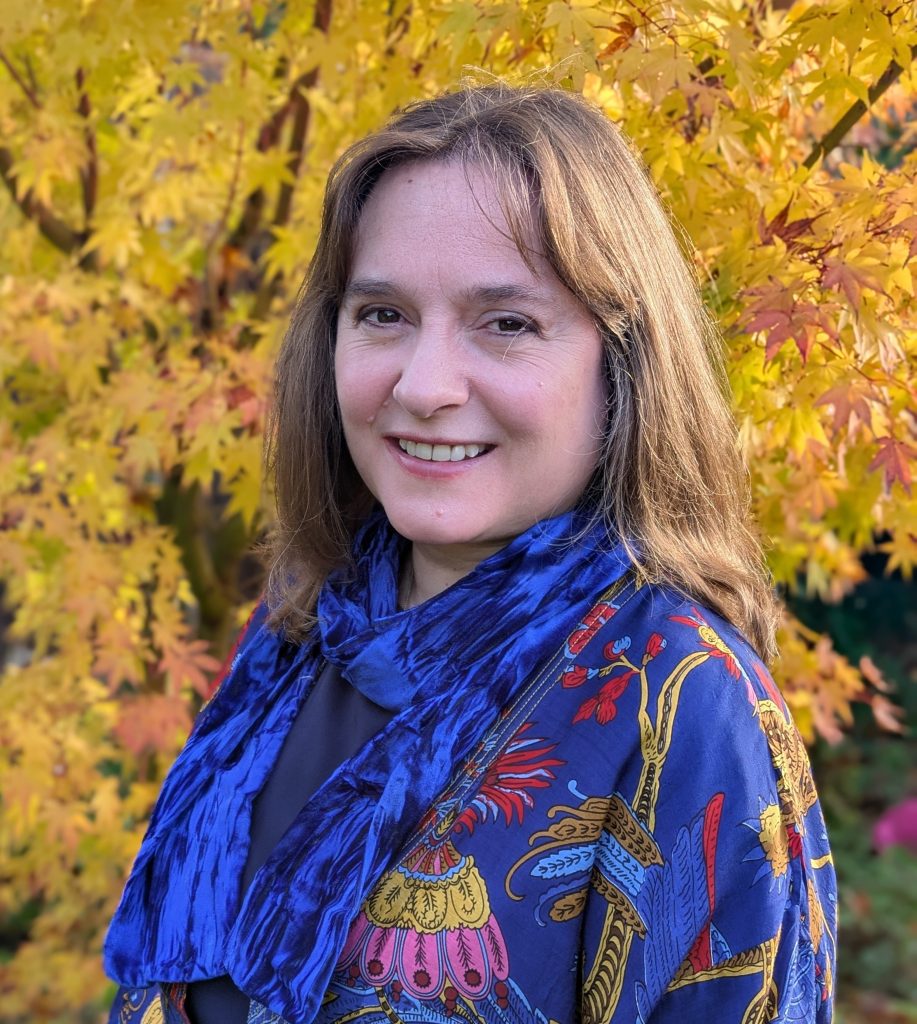
Kate Borthwick is Professor of Digital Education in Languages, Cultures and Linguistics, in the Faculty of Arts and Humanities. She is the Lead for AI in education at the University and founding chair of the University Digital Education Advisory Group. She is Director of the University open online course programme and is an award-winning lecturer in applied linguistics and in online learning design. She is twice-elected Vice-President of the European Association for Computer Assisted Language Learning and a member of the Editorial Board of ReCALL journal. She lectures and supervises students working digitally-mediated language learning and teaching.
Prompt Engineering for Literacy: Bringing Books to Life with AI
How can we harness the power of Generative AI to deepen student engagement with reading? Join us for a practical, high-utility workshop based on a pioneering project launched for SEND students during the National Year of Reading.
This session introduces a proven methodology where pupils transition from passive readers to “prompt engineers”. By crafting high-quality, descriptive prompts for AI tools like Gemini or Grok, students are challenged to bring scenes and characters from their favourite literature to life.
Why Attend?
- Learn how this model requires pupils to engage critically with texts, extracting subtle nuances and vocabulary to create effective visual outputs.
- Discover how to build essential AI literacy and general IT skills within a creative, curriculum-linked framework.
- Explore the results of recent staff and pupil trials, showcasing the high-quality outputs achievable through precise descriptive writing.
- Gain a clear roadmap for integrating AI into the English curriculum in a way that is both practical and inspiring for practitioners.

Mr Arran Channell, Esports and Personal Development Leader at King’s Academy Lord Wilson, is a passionate educator with nearly fifteen years of experience of teaching in Primary, Secondary and Specialist school environments. He holds a degree in Education studies from the University of Winchester and recently completed the NPQLBC (National Professional Qualification in Leading Behaviour and Culture).
King’s Academy Lord Wilson to the top 1% of special schools nationally (FFT Progress 5) for GCSE outcomes. Arran has consistently pushed boundaries as a teacher of Esports and last year his students achieved outcomes in the top 1% of vocational qualifications for students in special schools. In his spare time, Arran is a keen podcaster with a YouTube Channel that is steadily building an audience. He also co-hosts ‘Only Fools and Collecting’ – the UK branch of ‘Collecting Weekly’ – a collectors YouTube channel with 70,000+ subscribers.
The Utility of Generative AI for Research-Informed Practice
Finding and intelligently using research evidence is an important means by which teachers can improve their practice. Historically, it has been difficult for teachers to access the latest research due to paywalls and the time required to retrieve relevant studies (e.g., searching across multiple websites or physical collections), while the esoteric language used in scientific research can sometimes present challenges. Now, however, teachers can use new generative AI tools to instantly create accessible summarises of the latest evidence and use follow-up prompts to generate actionable plans. Despite these benefits, AI technologies carry certain risks, such as reporting fabricated sources or inaccurate and decontextualised information. This workshop offers a space to explore the scope and limitations of using AI tools for research-informed practice, along with providing practical advice for teachers to use these tools more effectively to retrieve, appraise, and adapt AI outputs for unique educational contexts.

Stephen Sowa, Senior Teaching Fellow at the University of Southampton and the Associate Programme Lead for the BSc Education & Psychology programme.
Stephen has published research that examines how generative AI tools are contributing to and challenging teachers’ research-informed practice.
Stephen’s research interests include topics such as the artistry of teaching, conceptions of teaching, education in the context of a rapidly changing world of work, and the implications of technological advances for teaching.
Teaching in the Age of Algorithms – What is the Role of a Teacher in an AI Enhanced Profession?
This session will share the findings of a collaborative research project conducted with local schools to explore how teachers are using AI to support their practice. Within this we explore how the use of AI is shaping teacher professional identity and their work. We will discuss implications for schools and teachers and consider how we maximise the parts of the job that AI cannot easily replicate.
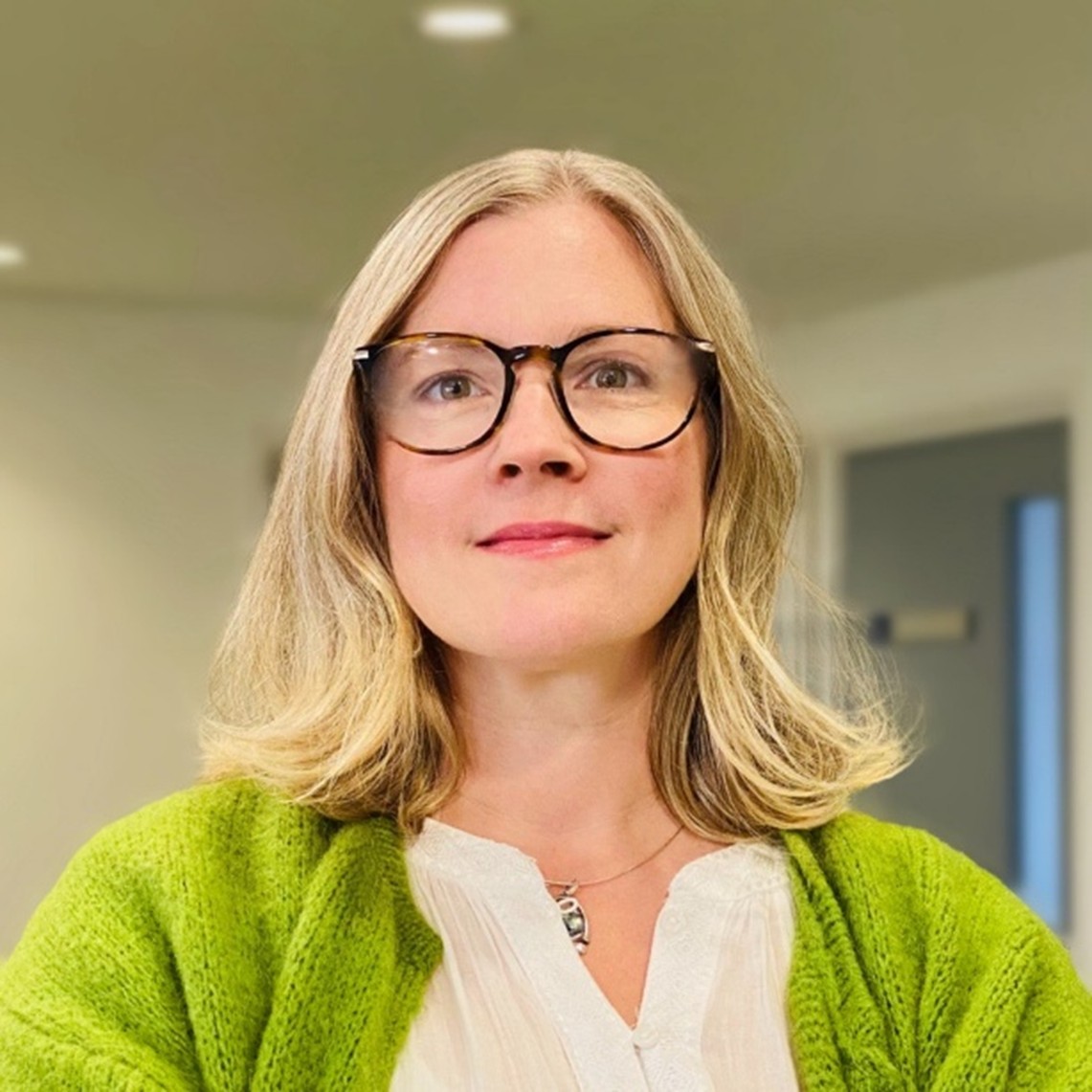
Rachele Newman is Director of Teacher Professional Learning at Southampton Education School and the co-founder of the Education Research Practice Network (ERPN). Having been a secondary teacher for 13 years, Rachele has spent a further 15 years as a Teacher Educator holding a variety of roles including Director of Initial Teacher Education.
Rachele is particularly interested in teacher professional learning, with a focus on teacher autonomy and identity. Rachele believes strongly in the importance of teacher agency in their own development and in the power of collaboration. She co-founded the ERPN to provide a collaborative space for teachers and researchers to work together, to share knowledge and ideas and drive authentic professional learning experiences for teachers and school leaders
Euan Douglas is a Senior Assistant Headteacher responsible for Teaching & Learning and the curriculum at Saint George Catholic College, an Outstanding comprehensive school in Southampton. Euan is a former Head of Science and a Chartered Science Teacher (CSciTeach). He is a member of the Ops Group as part of the Southampton Education Forum (SEF) working collaboratively with colleagues across Secondary schools, Colleges and Universities in the City to improve standards for the benefit of all of our students.


Siân Cumming is Deputy Headteacher at Upper Shirley High School, where she leads teaching and learning, CPD, and curriculum development. With two decades of experience in secondary education, she is committed to exploring how emerging technologies — particularly AI — can enhance classroom practice and support teacher workload, pedagogy and professional growth.
Siân plays an active role in the wider educational community, chairing the SEF Ops group across Southampton and collaborating with SSAT on a range of national projects. Her work is driven by a belief in evidence‑informed practice, thoughtful innovation and the power of professional collaboration to improve outcomes for young people in Southampton.
The Elastic Classroom- AI and Neurodivergence
In this session, we’ll look at pupils’ experiences of AI, polarising utopian and dystopian narratives around AI, and show where human-AI collaboration genuinely helps in education: dismantling barriers to learning, reducing admin load, lowering cognitive pressure, and freeing staff for more human-to-human work. We will discuss The ANDI Project’s ‘Elastic Classroom’ which is a package for schools based on Cognitive Elasticity: designing learning environments where different minds can meet different tasks with strategic flexibility at key friction points. We’ll discuss how targeted flexibility, aided by technological and non-technological design choices can reduce friction for learners, support staff wellbeing, and help schools feel confident they are preparing students for a positive, achievable future.
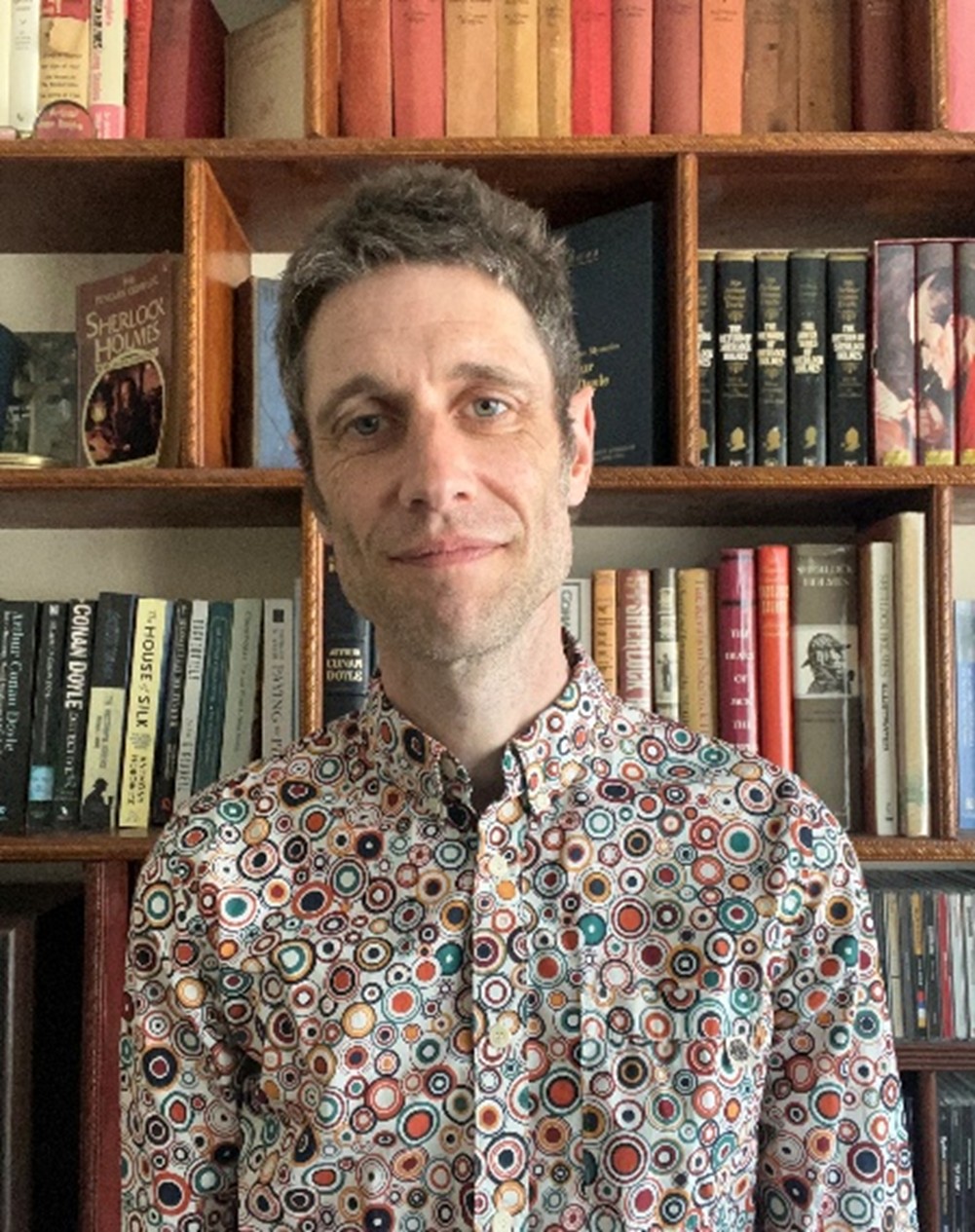
Ross Sanderson is a Neurodiversity Practitioner within Southampton City Council’s Neurodiversity Multidisciplinary Team, working alongside families, schools and professionals to reduce barriers for neurodivergent children and young people.
With over 20 years’ experience across education, alternative provision and youth services, Ross takes a practice‑led approach focused on building systems and ways of working that better meet the needs of neurodivergent learners at scale. His work is shaped by both extensive frontline experience and lived experience of neurodiversity.
Ross is particularly interested in relational practice, family engagement and re‑thinking neurotypical service design, with a strong focus on supporting young people to develop the skills, confidence and intrinsic motivation that enable them to engage with learning over time.
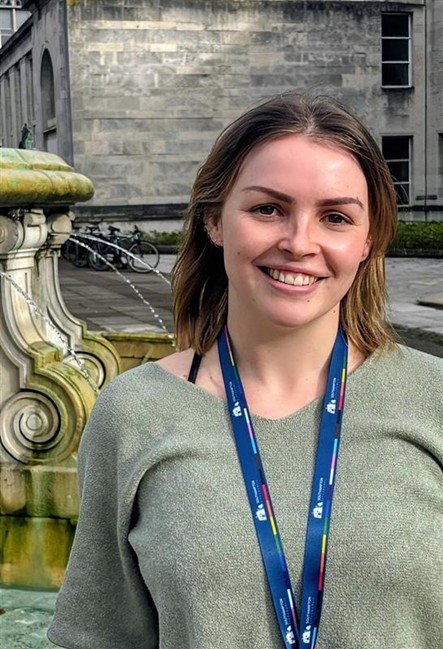
Lilli Hagerupsen is a SEND Locality Officer in the Neurodiversity Multidisciplinary Team at Southampton City Council, supporting schools and social care professionals to reduce barriers faced by young people with a range of neurodivergent needs. With a background in education since 2017 and lived experience of neurodiversity, she is currently completing a part‑time Master’s in Psychology at the University of Exeter. Lilli is particularly passionate about inclusive classroom design and improving support for autistic and ADHD girls and to better prepare young people for the future.
Using AI to Code School Software
This session focuses on what is arguably one of the strongest capabilities of AI – the ability of non-coders to create software. The session will provide practical examples of how to code using AI for school leaders, teachers and practitioners and give examples of the types of software that can be created that could replace existing systems. The session will argue that AI has significant potential to save schools money and time when deployed effectively.

Dr Cyrus Golding is a Senior Teaching Fellow and Co-Director of Online Programmes in the School of Education at the University of Southampton. He advises school groups on AI adoption, curriculum and provides staff training in the UK and in Asia.
AI Driven Simulations for Teacher Learning
This session explores the concept of simulation-based learning and presents an initial overview of findings of a small-scale research project designed to co-develop a range of AI-supported simulations of practice for teachers at all phases of their career. The session is suitable for anyone wishing to explore SBL as a pedagogy for teacher development.
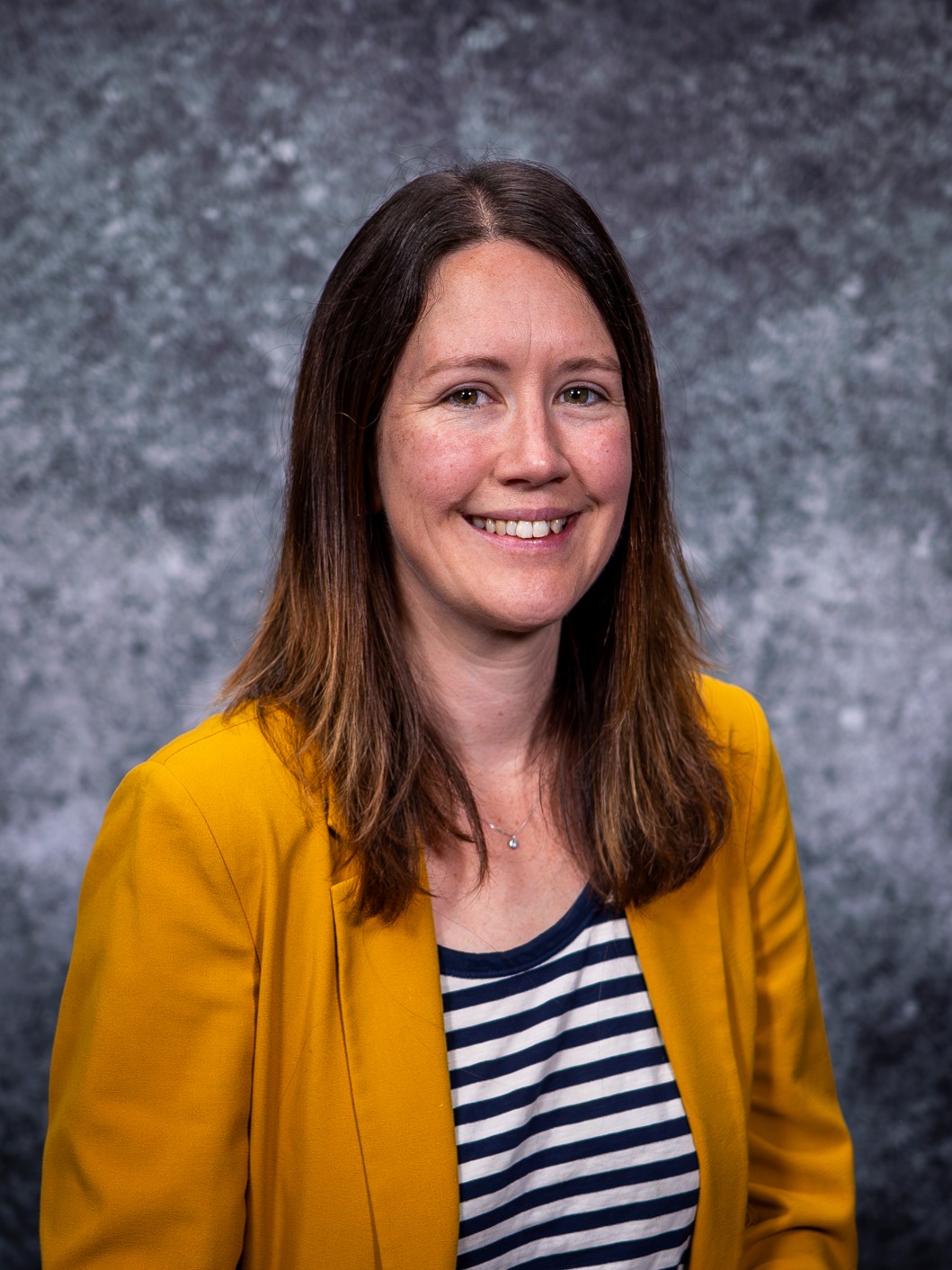
Kathryn Broom is Associate Programme lead of the Secondary PGCE at Southampton with responsibility for Partnership and Mentoring. She also leads the MFL PGCE course and is a module lead on the BSc Education programme. Through her work on the Secondary PGCE Kathryn has been exploring the use of Simulation-Based Learning pedagogies in both low-technology and AI-supported formats to develop the professional decision-making capacity of teachers new to the profession.
Rachele Newman is co presenting this workshop.
AI for Lesson Resources and Activities
During our 40-minute session, we will be looking at a range of practical applications for AI in the classroom. We will use some generic examples and some subject specific examples, but all of the strategies will be applicable across phases of education and subjects. In particular we will demonstrate the use of particular prompt phrases that drastically improve the effectiveness of using AI to generate material.

Peter Finlay is the Head of History at Bitterne Park School, Southampton. He has been teaching for 13 years and in that time has held roles as a Head of House, History Teacher and now Head of History. Peter has also worked as a progress leader with a focus on helping to support high progress for more able students and disadvantaged students in KS3 and KS4. Currently he oversees a department delivering a challenging and inclusive curriculum stretching from years 7 to 13. The curriculum has gone through a recent refresh in content, the development of skills and assessment. Recently the school has spent a lot of time experimenting with meaningful, helpful and healthy uses of AI in education. This has also been a recent focus of the Secondary History network which Peter is currently chairing.
Charlie Fear is a History Teacher, currently serving as the Second in Department in one of Hampshire’s largest schools. The school features a higher-than-average proportion of SEN and PP pupils, and has previously seen high levels of staff turnover in some departments. He has a keen interest in AI and Technology, and how these can be utilised to create quality resources, reduce the workload of teachers, and improve outcomes for students. As a member of the school’s AI Steering Committee, he has been crucial in the implementation of AI-enhanced practice in the History department and wider school, in addition to helping share ideas and best practice in the local History Subject Network.

The AI Hackathon: Innovation and Digisolutions for AI and Education
Hackathons are short, fast-paced events where participants work in teams to develop solutions to real-world challenges. We ran an educational hackathon with pre-service teachers as a pilot CPD model to support teachers in exploring, innovating, and addressing the use of AI in their practice. During the conference, hackathon participants will be in the lobby to share their innovative solutions and reflect on their experience of the process – offering peer to peer insights.
Dr Ran Peleg is an Associate Professor in Science Education at the Southampton Education School at the University of Southampton. His research explores innovations in educational design and the design of informal learning environments, including museums, theatre and educational games. He leads the Educational Innovations Hub, a makerspace for the Southampton education community that supports creative, collaborative approaches to teaching and learning. He holds degrees in Natural Sciences and Chemical Engineering from the University of Cambridge and a PhD in Science Education from the Technion. Before joining Southampton, he gained experience as a science teacher and instructional designer, including work on EU-funded initiatives.
Rachele Newman and Cyrus Golding will be co-presenting this workshop.

AI Practice Exchange
Step into a collaborative space where teachers and school leaders come together to share ideas, spark inspiration, and explore the world of education with AI.
Connect with colleagues from across institutions and take part in engaging, facilitated discussions that bring your current practice to life or give you ideas for how to engage differently with AI.
Together, we’ll explore:
- Cutting-edge AI tools transforming classrooms today
- Innovative ways AI is enhancing teaching and learning
- Policy and practice insights to guide safe, effective use in schools
- Thought-provoking ethical questions around AI in education
…and more!