In this session, we’ll look at pupils’ experiences of AI, polarising utopian and dystopian narratives around AI, and show where human-AI collaboration genuinely helps in education: dismantling barriers to learning, reducing admin load, lowering cognitive pressure, and freeing staff for more human-to-human work. We will discuss The ANDI Project’s ‘Elastic Classroom’ which is a package for schools based on Cognitive Elasticity: designing learning environments where different minds can meet different tasks with strategic flexibility at key friction points. We’ll discuss how targeted flexibility, aided by technological and non-technological design choices can reduce friction for learners, support staff wellbeing, and help schools feel confident they are preparing students for a positive, achievable future.

Ross Sanderson is a Neurodiversity Practitioner within Southampton City Council’s Neurodiversity Multidisciplinary Team, working alongside families, schools and professionals to reduce barriers for neurodivergent children and young people.
With over 20 years’ experience across education, alternative provision and youth services, Ross takes a practice‑led approach focused on building systems and ways of working that better meet the needs of neurodivergent learners at scale. His work is shaped by both extensive frontline experience and lived experience of neurodiversity.
Ross is particularly interested in relational practice, family engagement and re‑thinking neurotypical service design, with a strong focus on supporting young people to develop the skills, confidence and intrinsic motivation that enable them to engage with learning over time.
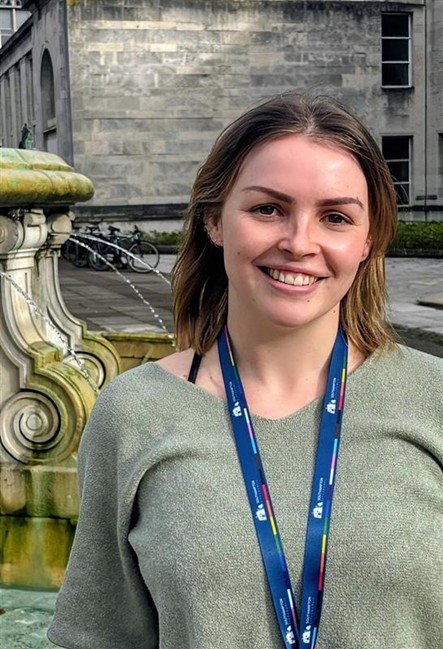
Lilli Hagerupsen is a SEND Locality Officer in the Neurodiversity Multidisciplinary Team at Southampton City Council, supporting schools and social care professionals to reduce barriers faced by young people with a range of neurodivergent needs. With a background in education since 2017 and lived experience of neurodiversity, she is currently completing a part‑time Master’s in Psychology at the University of Exeter. Lilli is particularly passionate about inclusive classroom design and improving support for autistic and ADHD girls and to better prepare young people for the future.